Disclosure: this page may include affiliate links which may earn me a small commission at no cost to you. As an Amazon Associate, I earn from qualifying purchases.
If you’ve ever spent any time shopping for resistance bands online or in stores, you’ll notice that there are two types: latex resistance bands and fabric resistance bands. So which one is better for your booty workout?
Both types of resistance bands are meant to increase the intensity of your glute workouts by challenging those hard to target glute muscles and make those bodyweight exercises even more effective.
Fabric and latex resistance bands both have their pros and cons. And while both types of resistance bands can be tremendously helpful in adding extra depth to your glute workouts, one may be a better fit than the other depending on your needs.
Let’s take a closer look.
What is the difference between fabric and latex resistance bands?
Resistance bands are designed to create more tension during exercises and you can target muscles from different angles than would be able to with traditional weights. Tension that wouldn’t normally be there. This forces your muscles to work harder during the movement. While fabric and latex resistance bands were created for the same purpose, the materials make a big difference in certain areas.
What are Fabric Resistance Bands?
Fabric Resistance Bands
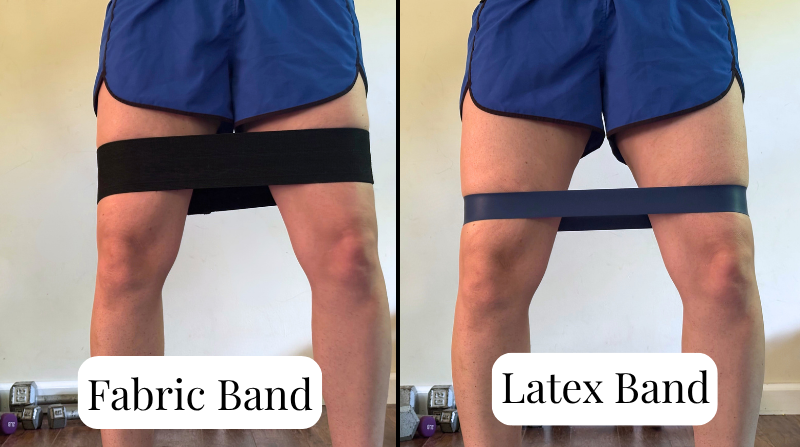
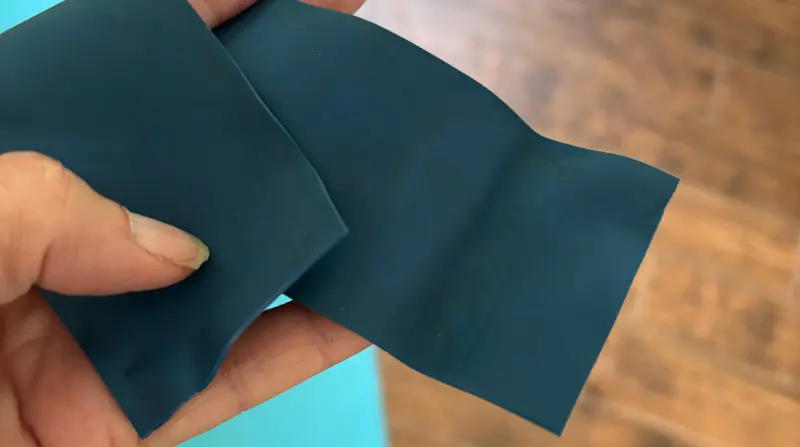
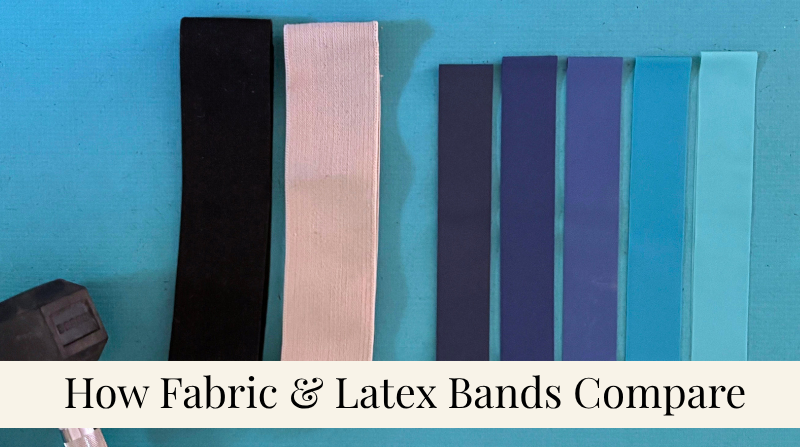
Fabric resistance bands are typically made from a woven blend of fabric with elastic fibers to give you the stretch you need. They tend to be wider, thicker, and have more structure/substance than latex resistance bands.
Because of their design, they’re often marketed as “booty bands” or “glute bands”, because they’re especially useful in targeting some of those harder to reach glute muscles that regular strength training movements just don’t hit quite as well.
One of the main reasons people who use resistance bands love fabric bands is comfort. The wider design helps distribute the pressure more evenly across the leg, which can make exercises like squats, lateral walks and glute bridges feel more comfortable. They cloth-like design is also more comfortable on bare skin, and they definitely don’t form a sweat ring like you’ll get with latex bands on bare skin. Plus, the fabric resistance bands also less likely to dig into the skin or pinch during movement.
Another advantage is stability. Fabric bands tend to stay where you put them more than latex bands do, which means less time stopping to adjust your equipment and more time focusing on your workout. That’s not saying latex bands are useful.
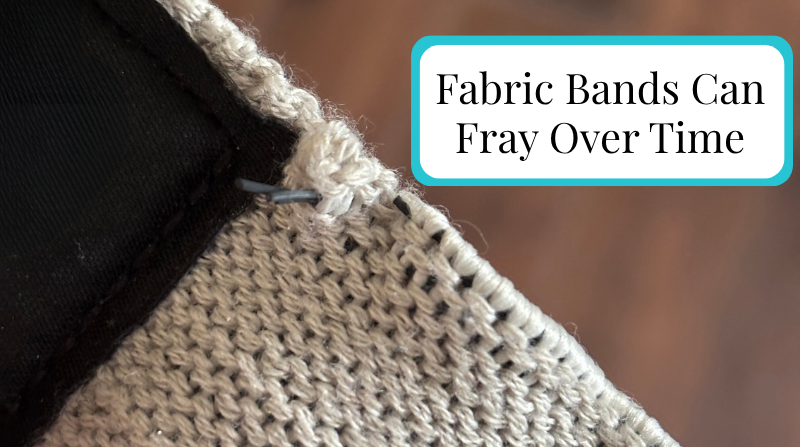
Fabric bands are said to be more durable, but I’ve always found that it doesn’t take more than some heavy usage over a few months to start seeing them fray at the seams. No option is perfect or go ing to last forever.
What are Latex Resistance Bands?
Latex Resistance Bands
Latex resistance bands are most often made from natural or synthetic rubber and have been a staple in fitness for decades. I still have some in my equipment stash from when I did my first workout program more than 10 years ago haha!
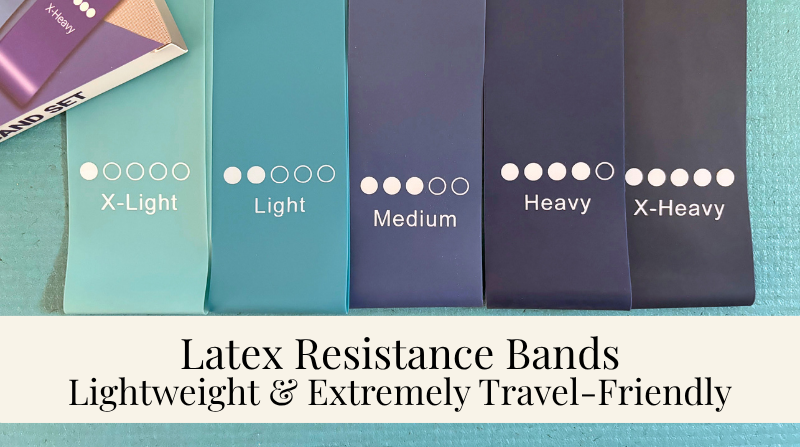
They’re available in a greater variety of styles and colors, from extra light weighted bands to extra heavy weighted bands to use for strength training, stretching, and even rehabilitation and full body exercises. For the main purpose of this post, I’m talking about the loop style latex resistance bands you can find almost everywhere.
One reason latex bands remain so popular is their versatility, their lower cost, and their availability. A single set can be used for glute training, upper-body exercises, mobility work, stretching routines, and even assisted pull-ups.
They’re also lightweight and easy to travel with, making them a favorite for on-the-go workouts or anyone exercising in small spaces.
The major downside? Latex bands tend to roll, twist, or slide during lower-body exercises.. I personally don’t have it happen often whether they’re around my ankles, knees, or thighs. I do find they roll or twist more than a fabric band does if I allow too much slack in between reps.
They also will get less flexible with age. Almost like they dry out. And they will snap if you even try to stretch them a little. So remember to inspect them before every use, so you don’t get a giant elastic band snapping at you.
Key Differences Between Fabric and Latex Resistance Bands
While fabric and latex resistance bands will challenge your muscles and support glute development, the experience of using each one can feel quite different.
| Feature | Fabric Resistance Bands | Latex Resistance Bands |
|---|---|---|
| Material | Fabric with elastic fibers | Natural or synthetic latex rubber |
| Comfort | Soft and comfortable against skin | Can pinch or pull hair |
| Rolling During Exercise | Rarely rolls up | More likely to roll up |
| Best For | Glute workouts, squats, bridges, lateral walks | General fitness, rehab, travel workouts |
| Resistance Feel | More consistent tension | Can feel stretchy and elastic |
| Durability | Very durable, can fray over time | Can suddenly snap or wear out over time |
| Portability | Slightly bulkier | Lightweight and compact |
| Cost | Usually more expensive | Usually less expensive |
| Beginner Friendly | Yes | Yes |
| Lower Body Training | Excellent | Good |
| Upper Body Training | Poor | Good |
| Travel Friendly | Good | Excellent |
| My Recommendation for Glute Workouts | Best Choice | Still Good |
Why Do Resistance Bands Roll up during workouts?
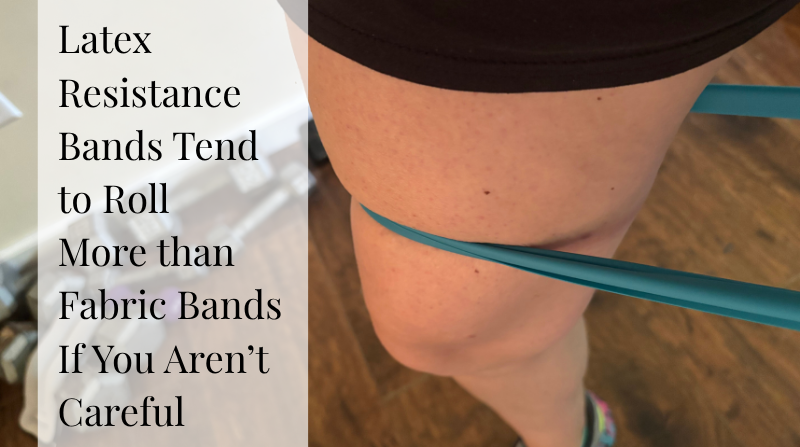
If you’ve ever used loop style resistance bands like fabric or latex, then you’ve likely experienced the inconvenience of having your bands roll when you’re on a role with your home workout.
There are several reasons why this can happen. The good news is there are also several ways to prevent the bands from rolling up. Here are the most common reasons resistance bands twist and roll:
- They’re too narrow: The more narrow the band, the more likely they’ll roll since they have less surface area.
- They’re the incorrect size: If your bands are too big, you’re going to have more constant slack, which will make your bands more likely to roll and twist.
- They’re made ofpoor-quality material: I’ve experienced this one myself. And I should’ve listened to my father when he told me you get what you pay for. And in the case of resistance bands, don’t opt for the cheapest option. They’ll be thinner and less durable and more likely to roll, twist, and even snap.
- You’re leaving too much slack before each exercise begins: The best rule of thumb is to always keep our band taut. When you leave too much slack in between exercises, your resistance bands are more likely to twist up and roll.
- Placement issues: Some say the higher they have their bands, the more they tend to roll. I haven’t experienced that, but .
- Skin and sweat friction is making them move around more: When you’re working out hard and sweating, the latex resistance bands are going to slide around more. They get slippery. A fabric resistance band will slide less, but it’s also not full proof.
Why resistance bands are so effective for glute workouts
There’s a reason why almost every modern booty workout has latex or fabric resistance bands required for equipment. That’s because using them is so beneficial to any glute-focused workout program. Here’s why:
- Increases Glute Activation: During your booty workouts like 30 Day Booty Boost which main focus is glute activation they will help you create constant tension throughout the entire movement. I always like to give the example of standing side leg lifts. You will also feel your supporting glute working to hold that leg still while you lift the other.
- Improved Mind-Muscle Connection: Many struggle to really “feel’ their muscles working during a glute workout or overcompensate with the rest of their leg or core. Fabric or latex resistance bands will help you really target and feel those butt muscles working.
- Adds resistance without having to use heavy weights: This makes them great for home workouts, especially if you don’t have a ton of space for equipment storage and also great for working out while traveling.
- Helpful for Beginners and Advanced Lifters: Resistance bands aren’t just for beginners. You can use the heavier weighted ones if you’re more advanced.
Glute Exercises that work well with Resistance bands
While there are so many different exercises you can do with resistance bands to increase the intensity, here are some of my favorites:
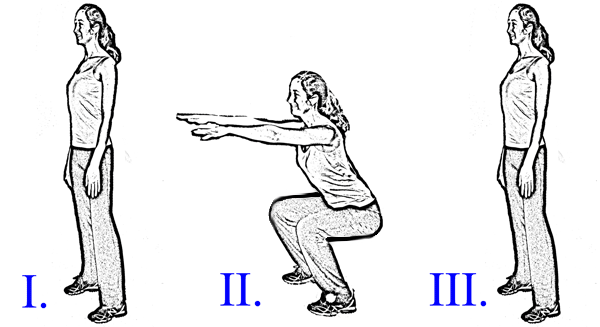
- Squats
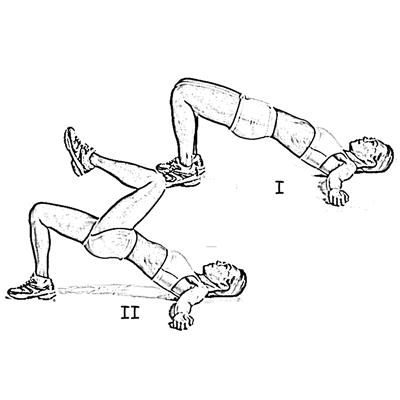
- Glute bridges
- Hip thrusts
- Leg raises
- Fire hydrants
- Lateral walks
- Clamshells
Fabric vs Latex Resistance Bands: Which Should You Buy?
The best resistance plan for you mostly depends on how you plan to use them.
Choose Fabric Bands If…
If your primary goal is building stronger glutes, performing lower-body workouts and avoiding the frustration that comes with bands rolling up during your workout moves, fabric resistance bands are often the better choice. Their wider design, higher comfort level, and ability to stay in place often make them a favorite for movements like squats, hip thrusts, glute bridges, and lateral walks.
Choose Latex Bands If…
On the other hand, if you’re looking for a budget-friendly option that can be used for everything from strength training to stretching and mobility work, latex resistance bands offer more versatility. They’re also lighter weight, more portable, and have been a staple in the fitness industry for decades. They also come in greater resistance ranges like extra lightweight to extra heavy. You’re not going to get that kind of range with fabric bands.
There is no Real Right Chose when Deciding Between Latex And Fabric Resistance bands
For many people, the ideal solution is having both options available in your home gym equipment. Fabric bands excel during glute-focused workouts, while latex bands are useful for when your booty starts getting too tired or you would also like them for full body training, stretching, travel workouts and mobility exercises.
My Recommended Resistance Bands
If you are looking for a recommendation for which latex resistance bands to get, I recommend and use the Renoj resistance bands. They come in a variety of 5 different strengths and have a more durable feel than my last set, which started snapping mid workout. And that hurts when it happens.
For fabric bands I have had a pair of Power Loops from BODi. I have had them for over five years and they are still going strong even if the gray band is starting to fray a little. The set contains a lighter(gray) and heavier(black resistance bands. They stay in place much better on your upper thighs than the latex bands.
Final Thoughts
When it comes to resistance bands, Fabric bands generally offer more comfort and stability during lower-body workouts, while latex bands provide greater versatility and portability. Neither option is inherently better for everyone. The best choice often comes down to how and where you plan to use them.
Because the best choice often comes down to how you plan to use them, your current fitness level, and where you plan to use them.