Disclosure: this page may include affiliate links which may earn me a small commission at no cost to you. As an Amazon Associate, I earn from qualifying purchases.
Do you remember a time when you could crush a pretty intense workout and feel good enough the next day that you could still work out without question? But now, it’s 48 hours after a workout, and your legs still feel like they have rocks in them instead of muscle…
If you’ve ever wondered why your body is suddenly taking longer to recover from workouts or why doing more workouts isn’t giving you the same results, you’re not imagining it.
It’s because workout recovery after 35 is different. It’s not worse than it used to be exactly, it just requires a smarter, more thorough approach.
And once you know what your body actually needs now, you can recover faster, feel better, and see better results.
Why Workout Recovery Feels Harder After 35
Recovery after 35 has absolutely nothing to do with internal motivation and everything to do with what’s happening inside your body. So if that’s what you’re thinking, you can stop now. It’s still the same you, but recovery is more important than ever.
Here’s a quick look at what’s happening behind the scenes and why recovery after working out suddenly feels tougher:
- Your body’s muscle repair slows down.
As we get older, our body doesn’t rebuild muscle quite as quickly as it used to. The same way our skin heals slower and we start seeing fine lines. That means the muscle soreness you have will last longer.
- Hormonal changes affect everything.
Shifts in the hormones estrogen and progesterone as we get older can impact inflammation, energy levels, and how your body handles stress. There’s absolutely no escaping it. Stress includes your workouts, which leads me to #3.
- Your daily stress load is higher.
Everything in your life: your work, your kids, your pets, your financial and personal responsibilities, your entire mental load…it all contributes to your daily stress levels. Unfortunately, your body doesn’t separate “life stress’ from “workout stress”, and that is what makes it harder to recover after 35 with all you’re facing with on a daily basis.
- Sleep isn’t always as sound.
Even if it feels like you’re getting enough hours of sleep each night, the quality of your sleep might not be as restorative as it once was, which can impact workout recovery.
It’s not that your body is working against you as you get older even if it feels that way, it just needs a little more support and TLC than it used to.
The Biggest Workout Recovery Mistakes Women Over 35 Make
It’s easy to start feeling stuck or frustrated when you’re working out and it takes more than a couple days for your body to feel better. I know this was me at one point, wondering why my abs still hurt days after a core workout – something I’d never experienced in all my years of working out. Turns out I wasn’t doing enough post-workout care to recover optimally.
Here are some of the most common mistakes women make that can delay recovery after working out.
- You do more instead of recovering smarter
More workouts will never get you better results. This is an outdated mindset that can backfire quickly. Why? Because doing too much can increase your risk of burnout and injury.
- You skip rest days (or feel guilty about doing them)
Rest days are non-negotiable after 35. If you don’t include them as part of your daily workout routine, you need to start doing that today. Rest days need to be part of the plan whether it’s a full day off or an active rest day like a leisurely walk, yoga, stretching, mobility, or myofascial release.
- You’re not eating enough protein
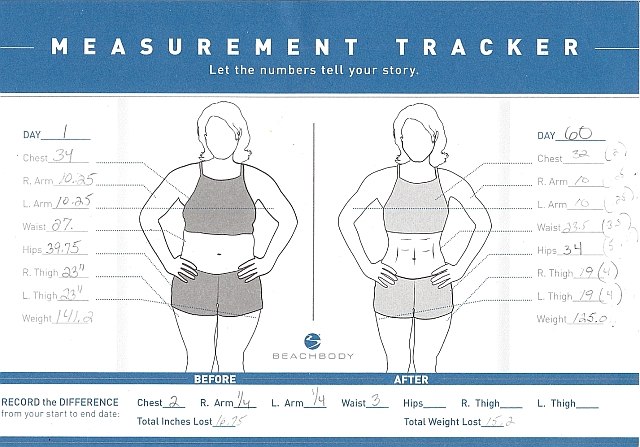
I could talk for hours about how not eating enough protein affects you after 35, but you can check out my post that’s all about the importance of protein for women over 35. Basically if you’re trying to “be good” by eating less to get results faster, you could be slowing your recovery and your results. I know I was. And when I started prioritizing protein, I was able to drop14lbs in 8 weeks without changing anything else.
- Not drinking enough water
Hydration plays a big role in muscle recovery. Not being properly hydrated can increase soreness, decrease muscle function, and leave you feeling low on energy. Our bodies are made up of mostly water, so getting enough water improves your body functioning, including how your muscles recover. Aim for at least eight 8oz glasses each day.
- Ignoring what your body is telling you
Always listen to how your body feels. Pushing through exhaustion may have worked in the past, but once you’re over 35, it can lead to plateaus, burnout, and even injury. So please, listen to your body!
The 5 Essentials of Workout Recovery After 35
I remember not thinking too much about recovery when I used to work out. But now, it’s something I pay close attention to. There is absolutely nothing worse than putting all your effort into a workout routine, including active recovery days, and not losing weight. It doesn’t take a fancy regimen that’s difficult to fit into your already busy life, it just takes focusing on these five things to help muscle recovery.
- Prioritize Protein
Think of protein as your workout recovery superpower. Protein is what’s going to help your muscles repair and rebuild. And as we reach 35 and beyond, making sure you get enough protein each day is a must.
Here are some simple ways to add protein to your day:
- Add protein to every meal
- Choose simple options like shakes, eggs, chicken, Greek yogurt
The most important thing to remember is that you don’t need to overcomplicate it. Simplifying the process will make it easier to stay consistent.
- Walk More
Yes, really! This is the one that really surprises people, because it seems like something that wouldn’t matter when it comes to recovering from the workout you did yesterday. But walking is one of the most powerful recovery tools you have available to you when it comes to workout recovery.
Here’s what happens when you walk:
- Walking increases blood flow. And more blood flow to more muscles helps your muscles recover faster.
- Walking reduces soreness. Getting those muscles moving helps alleviate that overly sore feeling by helping to loosen them up.
- Walking supports fat loss without adding any extra stress to your body. Remember additional stress is not your friend when it comes to muscle recovery.
This is why I’m such a big fan of walking, especially for women over 35. It’s such a simple, free way to work out. Plus it’s zero impact, plus it’s very easy to decrease or increase the intensity to match your current fitness level. Because it’s not about doing less, it’s about doing what actually works.
- Strength Train Smarter, Not Harder
As we get older, I think the general mindset is that doing more will get you better results. I hear this too often when women start doing more cardio and try strength training hard every day. The thing is you don’t need overly intense, long workouts to get better results. What you need are intentional workouts. Workouts that are designed to help you feel better, not worse.
When you strength train, always make sure you focus on:
- Using proper form.
- Getting adequate rest between sessions.
- Choosing quality workouts over more workouts.
Your body will respond better to three solid workouts each week than doing six rushed ones. This will also help you avoid overtraining and injury.
- Hydration = Faster Recovery
I know we talked about this a little earlier, but adequate hydration really is essential to faster muscle recovery after 35. If you’ve been feeling tired, sore or like you’re dragging yourself around, hydration might be the one of the pieces you’re missing. And it’s one of the easiest to correct.
Drinking enough water supports:
- Muscle recovery
- Energy levels
- Joint health
It’s a simple, but powerful way to help your body recover more quickly after a workout.
- Get More Zzzzz’s
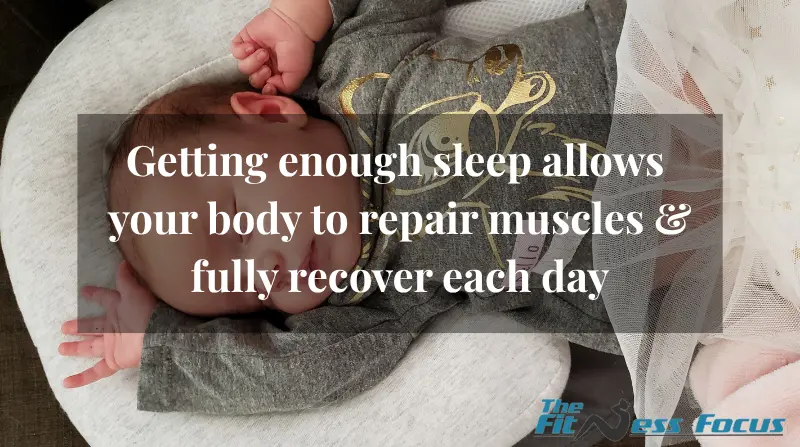
Getting enough quality sleep is an essential part of muscle recovery. Because your body repairs itself when you sleep. And if your sleep is off, your recovery after a workout will be too regardless of how perfect your workouts are.
Here’s how to get not just more sleep, but better quality sleep:
- Go to bed and wake up at the same time every day, including on the weekends. Yes, you’re not going to be perfect, because we all have lives and things to do, but stick to your regular bedtime as often as you can.
- Limit screen time before bed. I think people underestimate how much using your phone or watching TV can impact your sleep. Try turning everything off at least 30-60 minutes before bedtime.
- Create a soothing bedtime routine. Read a book, journal, write a gratitude list, meditate, etc. Just do the same thing every night.
Your Simple Post-Workout Routine (After 35)
Now that we’ve gone over how to improve muscle recovery and the mistakes you might be making, it’s time to give you an actual post-workout routine that will help you recover more quickly after your workouts.
Immediately After Your Workout
- Drink water.
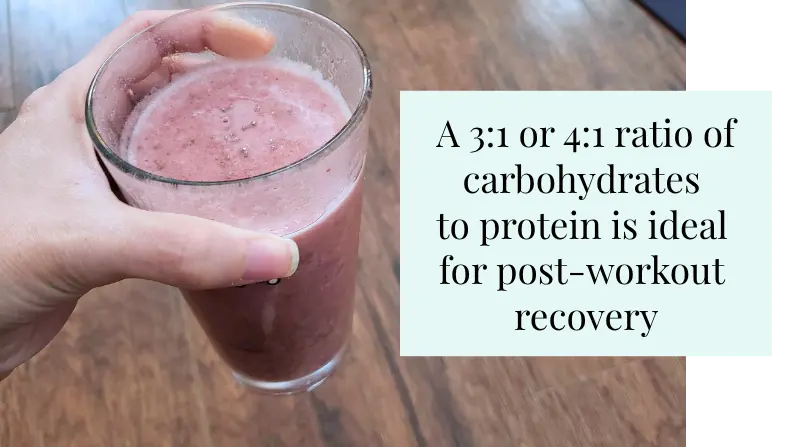
- Have a protein shake or other source of protein within 30-60 minutes of working out.
- Do light stretching.
Later That Day
- Go for a walk.
- Eat a balanced meal that includes protein.
- Keep moving. Try not to stay sedentary all day. Even if you work in an office, try getting up and moving for a few minutes every hour or go for a walk with coworkers during your lunch break.
The Day After Your Workout
- Choose an active recovery like walking, yoga, stretching, or mobility- or you can rest completely.
- Pay attention to how your body is feeling and let that dictate what you do for your rest day.
The Mindset Shift to Help You Recover Faster
Recovery is necessary when working out. It’s not an indulgence, although sometimes it can feel that way when you’re used to working out and pushing yourself every single day.
This is sometimes the hardest thing for people to understand, especially if you’re used to pushing your limits, proving yourself, and doing more. I know I used to think that taking a rest day or doing a foam rolling recovery day was me being lazy. Now I realize there’ was’s a science behind it.
But here’s something to think about. Your results don’t just come from how hard you work out, they come from how well you recover. Crazy, right?
So try not to think of rest days as falling behind or being lazy. Instead, try thinking of them as gaining strength, gaining energy, and building consistency to get the best results body and keep your body healthy.