Disclosure: this page may include affiliate links which may earn me a small commission at no cost to you. As an Amazon Associate, I earn from qualifying purchases.
For women over 35, maintaining energy, managing weight, and balancing hormones can start to feel like an uphill battle. Between hormonal shifts, a naturally slower metabolism, and gradual muscle loss, it’s no wonder so many women feel stuck – even when they’re eating “healthy,” staying active, and doing all the right things.
If that sounds familiar, you’re not alone. And more importantly, you’re not failing.
When Doing Everything Right Still Doesn’t Work
I truly thought I was doing everything right. I worked out regularly, ate meals I believed were balanced, and prioritized my health. Yet my energy was constantly low, recovery from workouts took longer than it used to, and the scale refused to budge.
I blamed it on having a toddler whose least favorite thing is sleep…but deep down, I knew that wasn’t the real issue. I started wondering if I was entering perimenopause.
As I began researching that included reading articles, attending webinars and diving down the rabbit hole into hormone health,I uncovered something I never would have expected. What I learned completely changed how I approach my own health and how I help others do the same.
How I Realized I Wasn’t Getting Enough Protein for My Age
A few months ago, I attended an online health webinar focused on perimenopause and menopause symptoms. One topic that came up repeatedly: protein intake for women over 35 and 40.
That’s when I decided to track my own protein intake. And honestly? I was shocked.
Even with what I considered a healthy lifestyle, I wasn’t coming close to the amount of protein my body needed for this stage of life. At the same time, weight loss felt impossibly hard. I couldn’t even get the scale to move one pound, no matter what I tried—and I felt completely defeated.
That’s when I learned something critical: protein becomes even more important as we age.
It’s not just about building muscle anymore. Adequate protein supports metabolism, hormone balance, energy levels, mood, and recovery—areas that often start to struggle during perimenopause and beyond.
What Changed When I Increased My Protein Intake
Once I committed to small, consistent changes by adding a daily protein shake, choosing higher-protein snacks and building more balanced meals, I noticed real differences.
The Results I Noticed Eating a Higher Protein Diet
- More consistent energy throughout the day.
- Fewer mood swings and irritability.
- Faster workout recovery.
- Weight loss for the first time in months.
By focusing on hitting my protein target, I’m now down 14 pounds—and finally fitting into my normal clothes again.
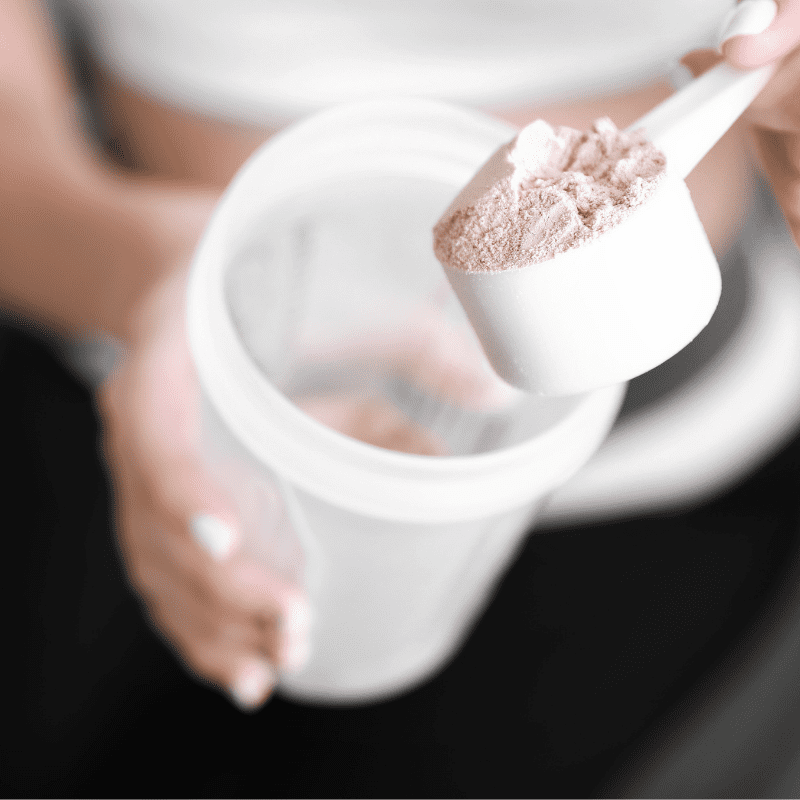
My go-to protein shake keeps me full, supports lean muscle, and helps support healthy appetite-regulating hormones like GLP-1. It’s a simple daily habit that helped me lose weight without more intense workouts, cutting calories, or overhauling my lifestyle—just by fueling my body properly.
Why Protein Is the Key to Thriving After 35
Despite how important protein is, many women over 35, especially over 40, aren’t getting enough of it. And that shortfall can quietly affect nearly every system in the body.
Signs You May Not Be Getting Enough Protein
- Persistent fatigue
- Mood swings or irritability
- Slower workout recovery
- Muscle loss or decreased strength
- Sugar and carb cravings
- Weight gain or stalled weight loss
If your body doesn’t feel like it’s responding the way it used to—even when you’re doing “all the right things”—you’re not imagining it.
As estrogen levels decline, muscle mass naturally decreases, metabolism slows, and energy levels can drop. That’s why fat loss feels harder, strength is tougher to maintain, and recovery takes longer during perimenopause and beyond.
How Getting Enough Protein Supports Your Body After 35
Protein is your secret weapon in this phase of life. Getting enough protein after 35 helps you:
- Preserve lean muscle mass, keeping your metabolism active and efficient
- Support hormone balance, which can help stabilize mood and reduce irritability
- Stay fuller longer, minimizing sugar and refined carb cravings
- Recover faster from workouts and maintain steady energy throughout the day
You don’t need to overhaul your life to thrive after 35. You just need to give your body what it’s been quietly asking for.

How Much Protein Do Women Need After 35?
For women over 35–40, a common guideline is to aim for around 1 gram of protein per pound of body weight per day, especially if your goals include maintaining muscle, supporting metabolism, or managing weight.
Example Daily Protein Target For 35+
If you weigh 150 pounds, aim for approximately 150 grams of protein per day.
If that sounds like a lot, don’t stress. Most women can reach this goal by making small adjustments throughout the day—adding protein to snacks, meals, or one simple shake.
The Science Behind Protein, Weight Loss, and Hormones
I’m not one to overcomplicate things with science, but understanding why protein works can be helpful—especially if you’re skeptical like I was.
Research shows that 40–60% of women over 35 don’t consume enough protein to support muscle mass and metabolic health. As we age, our bodies become less efficient at using protein, which means we actually need more, not less.
Why Protein Matters for Hormones and Fat Loss
Protein plays a powerful role in regulating hunger and energy by:
- Increasing GLP-1 and peptide YY, hormones that signal fullness
- Lowering ghrelin, the “hunger hormone”
- Stabilizing blood sugar to prevent energy crashes and mood dips
- Supporting lean muscle, which raises resting metabolic rate
This isn’t just about weight loss, it’s about feeling energized, strong, and like yourself again.
Easy Ways to Add More Protein to Your Diet
You don’t need complicated meal plans or hours in the kitchen. Small, consistent changes make a big difference:
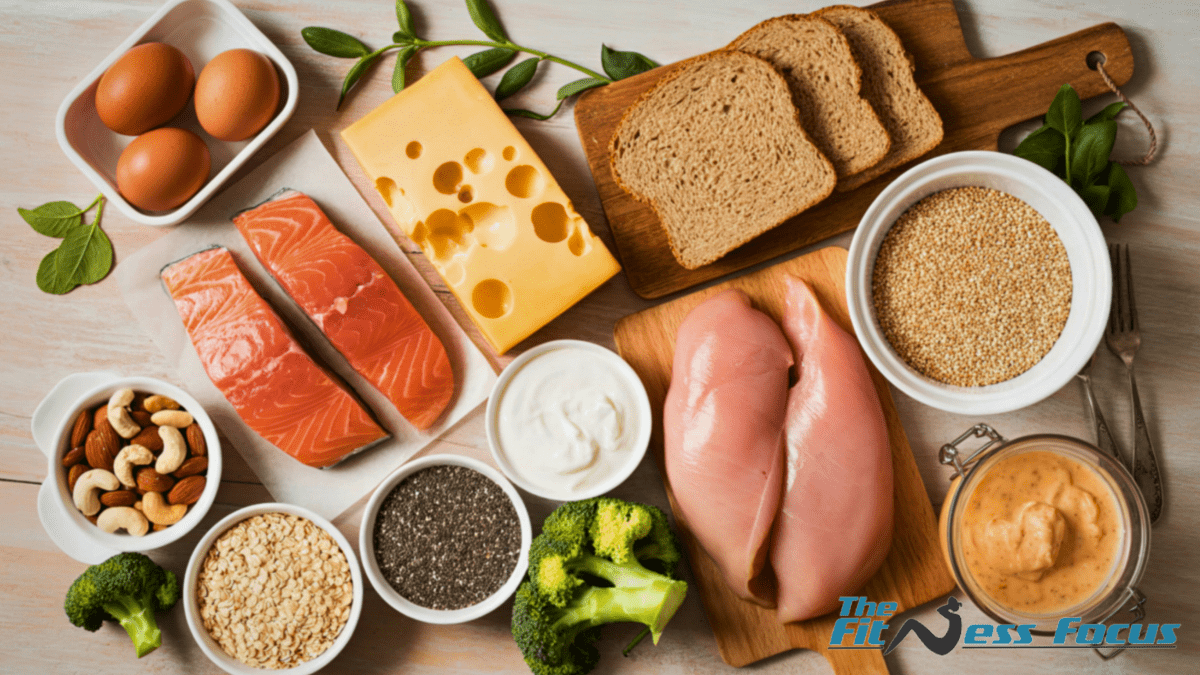
- Protein shakes: An easy way to boost daily protein intake—look for clean protein with leucine, fiber, and essential nutrients
- Eggs: A complete protein source for meals or snacks
- Greek yogurt & cottage cheese: High-protein, convenient options
- Collagen protein: Add to coffee, water, or smoothies
- Nuts & seeds: Almonds, chia, hemp, and sunflower seeds
- Lean meats & fish: Chicken, turkey, salmon, tuna, shrimp, sardines
- Bone broth: A comforting, protein-rich option
- Grass-fed beef jerky: Easy on-the-go protein
- High-protein snack bars: Convenient and balanced
- Legumes: Lentils, chickpeas, black beans. Here’s a recipe for my favorite lean homemade chili.
Even small tweaks like a good protein snack bar can lead to better energy, improved recovery, better sleep, and sustainable weight loss.
How I Lost Stubborn Weight by Focusing on Protein
I’m now down 14 pounds, just by prioritizing protein – especially one nutrient-dense shake per day. As a busy mom of three, this was the easiest habit to maintain for me.
It keeps me full, supports lean muscle, and helps regulate hunger hormones without adding more workouts or restricting foods.
Start Your Protein Reset
If you’re ready to feel energized again and support your body in this season of life, start by tracking your protein intake. Most women are surprised by how little protein they’re actually getting. I know I was!
Tracking your protein intake is a game-changer, and it’s easier than you might think.
👉 Grab my free 3-Day Protein Tracker to see where you are and where you can easily add more protein into your day.

Here is the direct link to download the 3-day protein tracker as seen in the image above.
And if you want more wellness tips, motivation, and support, [thrive_2step id=’4462′]join my newsletter[/thrive_2step]—where I share simple, sustainable strategies for feeling your best at every age.
If you have any questions or any favorite ways to add protein to your day, leave a comment below!