Disclosure: this page may include affiliate links which may earn me a small commission at no cost to you. As an Amazon Associate, I earn from qualifying purchases.
Losing belly fat after 35 requires a different approach than it did in your twenties. Trust me when I tell you you’re not imagining that what used to work isn’t as effective. Now it just take a little more effort as we get older especially for wome n.
Your favorite jeans may fit differently than they used to, the number on the scale might not budge, and the extra weight around your midsection feels especially stubborn.
Why?
Hormonal changes, stress, sleep habits, muscle loss, and lifestyle demands can all affect how your body stores and burns fat.
The good news? You don’t need to spend hours in the gym or follow an extreme diet to see progress. Small, consistent habit changes often make the biggest difference.
Why Belly Fat Often Gets Worse After 35
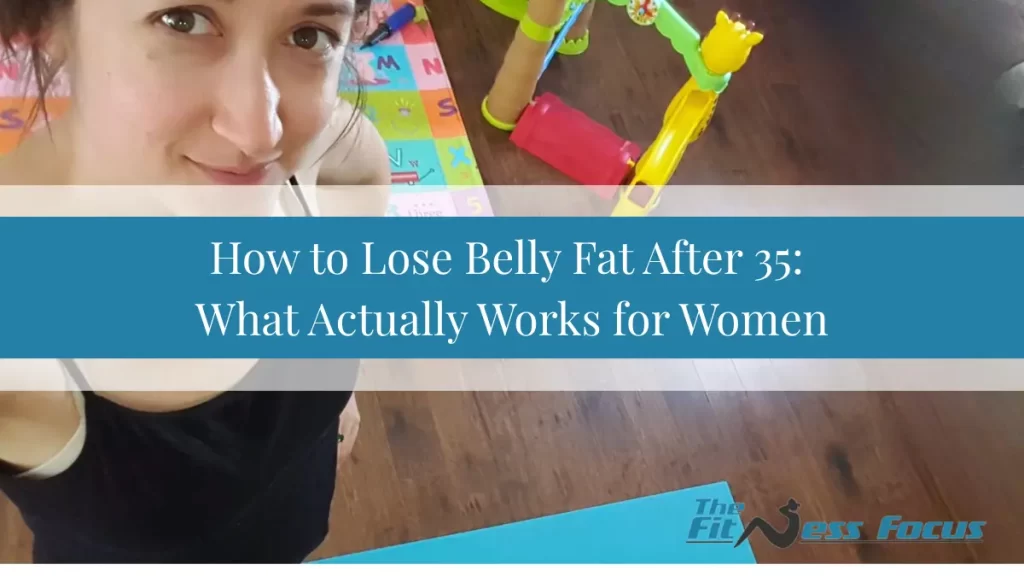
Many women notice changes in their body composition during their mid-thirties for a few different reasons. While age plays a role, it’s not simply about getting older.
One major factor is age-related muscle loss. Muscle tissue naturally declines with age unless we actively work to keep it. Since muscle supports a healthy metabolism and burns more calories per pound than fat, having less of it can make fat loss more challenging.
Stress can also contribute to stubborn belly fat. When you’re constantly juggling work, family responsibilities, finances and everyday demands, your body may spend more time in a heightened stress state. This causes your body to release a hormone called cortisol that has been shown to cause weight gain. And over time, this can influence appetite, energy levels, sleep quality, and even where your body tends to naturally store fat.
Sleep is also a big factor in getting rid of body fat.
Why Sleep Matters more than you think when trying to get rid of belly fat
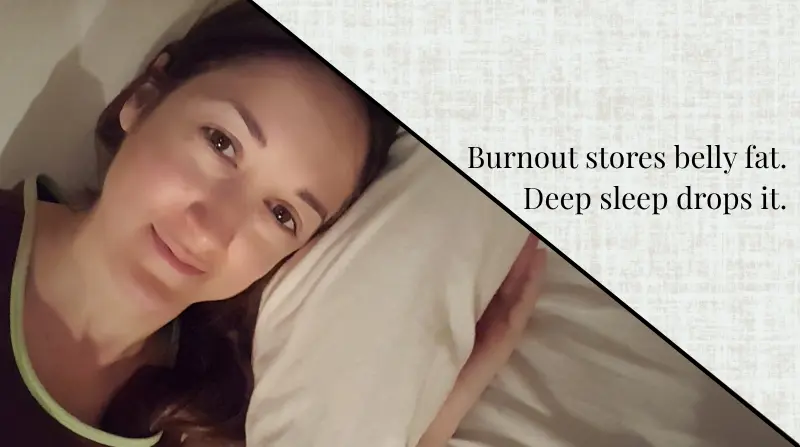
Sleep is one of those things that we don’t put enough emphasis on when it comes to losing weight and getting rid of unwanted belly fat. But sleep affects major processes in our bodies that can lead to weight gain or stubborn weight loss.
Studies have shown that people who sleep less consume more calories the following day. Frightening, I know. But ever notice that after a bad night’s sleep, cookies and chips suddenly seem impossible to resist?
Here’s exactly how sleep deprivation affects weight gain:
- Poor appetite regulation: The hormones that control hunger get sabotaged when you’re not sleeping enough. Not getting enough sleep leads to increases in ghrelin, the hormone that signals your brain to eat, and a decrease in the hormone leptin, which signals your brain that your stomach is full. A recipe for disaster if you’re trying to get rid of belly fat.
- Increased stress levels: Lack of sleep (and also lots of external stressors) leads to increased levels of cortisol, the body’s primary stress hormone. Chronically elevated cortisol levels make it more difficult to manage weight and can contribute to increased fat storage around the middle.
- Poor decision-making: When you’re exhausted, everything feels harder, including making decisions. Poor decision-making leads to making less healthy choices when eating. So always remember that more sleep = better choices.
- Increased cravings: Craving sugary, high carb treats is a common side effect of not sleeping well. Your brain is simply looking for a quick source of energy when you’re running low on sleep.
As you can see, not getting enough sleep can make getting rid of belly fat really difficult. If you’d like to learn more about the weight loss and sleep connection, you can learn more about how getting better sleep can affect weight loss here.
The Biggest Mistakes Women Make When Trying to Lose Belly Fat
Relying on Cardio Alone
Cardio has plenty of health benefits throughout every stage of our lives, but it isn’t the all-inclusive answer for fat loss after 35.
Adding strength training to your routine can help preserve and build your muscle, which supports your metabolism and helps improve body composition.
You don’t have to become a bodybuilder to benefit. Even a few strength workouts each week can make a meaningful difference over time in how many calories you naturally burn.
why strength training is a game changer after 35
Here are just a few reasons strength training is a must after 35 when trying to get rid of belly fat. Strength training:
- Preserves muscle
- Supports metabolism
- Improves insulin sensitivity
- Helps with bone density
- Supports healthy aging
If you’d love to start adding strength training to your routine, you can download my free beginner’s strength training guide here.
Eating Too Little
This is the one I see a lot with women over 35 doing. Their first response to weight gain or stubborn weight loss is to drastically cut calories. While this may seem logical, it can backfire.
That’s because undereating can leave you feeling depleted, increase cravings, and make it harder to stay consistent with healthy habits. It can also put your body into fat storage mode if your body thinks it’s in crisis mode, so it will hang onto fat instead of burning it.
So instead of focusing on eating less, shift your focus to eating better and prioritizing protein.
Ignoring Stress and Recovery
It’s easy to focus on workouts when you’re trying to melt belly fat and completely overlook recovery. But we also know that chronic stress, poor sleep, and living in a constant state of overwhelm can make healthy living feel much harder than it needs to be.
That’s because chronic stress can lead to elevated cortisol and adrenaline levels, which have an effect on appetite, sugar cravings, and how much fat your body hangs onto. Stress can even affect your food intake preferences, which is why some people overeat and some people stop eating when they’re stressed out.
Your body needs movement to stay healthy, but it also needs rest and relaxation to function optimally.
Belly Fat vs Diastasis Recti (DR)
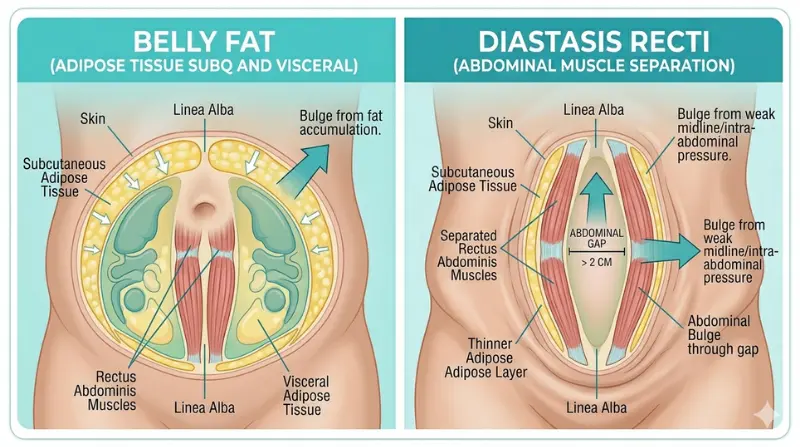
One thing I just had to include was the issue of the mommy pooch so many women complain about after motherhood. Most moms assume they have belly fat to get rid of, when in fact, they have separation of their abdominal walls rather than actual fat to lose.
This is something your doctor can diagnosis, but I know in my case, I have a little bit more belly fat than I used to, but the largest problem is that my abdomen has a 3″ gap in the center where it used to meet, which makes my waist 3″ larger even when it’s entirely fat-free. Yes, you can get it repaired, but when you have young children, it’s hard to commit to 6-8 weeks of rest while you recover. Here’s a image to give you a little more context.
A good way to test this is to grab onto the side of your waist and see how much fat your can pinch – not just extra skin you may left over from pregnancy. And when you press on your belly, does it feel mostly hard? Because belly fat alone will be more pliable.
The Best Foods for Belly Fat Loss After 35
No single food is ever going to target or get rid of your belly fat on its own. But there are certain foods that can help support your fat loss efforts by keeping you feeling satisfied, energized, and less likely to overeat.
You should focus on including:
- Lean protein at every meal
- Fiber-rich fruits and vegetables
- Healthy fats like avocado, nuts, and olive oil
- Plenty of water throughout the day
- Whole foods that help stabilize blood sugar
A protein-rich breakfast can be especially helpful in starting your day the right way. Try eggs, Greek yogurt, protein smoothie or even a protein rich cereal to help reduce cravings later in the day and support muscle maintenance.
Find out more about the importance of protein for women over 35.
The Most Effective Exercise for Women Over 35 for Belly Fat

It may surprise you that one of the best workouts you can do to help get rid of belly fat after 35 is…walking and strength training!
Walking is often underestimated and not taken seriously, because it’s simple and costs nothing. But walks can support calorie burn, improve your mood, reduce stress, give you more energy, and make it easier to stay consistent with an active lifestyle.
Try to combine daily walks with strength training two to four times per week for a balanced approach that supports long-term results. Or you can also try an at-home workout program that combines low impact cardio with strength training.
Because at this age, the goal isn’t to punish your body. That’s one thing you really want to try to avoid now, since injuries don’t heal as beautifully as they used to.
The goal is to always to build habits to help you lose belly fat AND that you can maintain for years and years to live a healthier, happier life.
Can You Really Lose Belly Fat After 35?
Yes. But the goal should never be to chase the perfect body, try to look exactly like you did twenty years ago, or how you looked before three kids (like me).
A healthier, well-rounded approach is to focus on building strength, improving energy, supporting your metabolism, and creating habits that fit into your real life.
When you prioritize movement, foods that fuel your body, quality sleep and stress management, fat loss often becomes a natural result of taking better care of yourself.
Progress may not happen overnight, but small actions repeated consistently can lead to meaningful changes over time.
If you’re over 35 and struggling with belly fat, remember this: you don’t need a quick fix. You need a sustainable plan that supports your health, your confidence, and the life you’re building.
Could Perimenopause Be Contributing to Belly Fat?
Between our thirties and fifties, you may notice that weight suddenly appears or starts collecting around your abdominal area more easily than it used to. It could be that perimenopause is part of the reason. Lucky for us, there are things we can do to help.
Perimenopause is a period of change that begins several years before menopause. During this time, hormone levels can start to fluctuate even if your periods are still running like clockwork.
One of the biggest changes involved is your body’s estrogen levels.
Estrogen is a hormone that plays a role in more than just reproductive health. It also influences how our bodies store fat. And yes, that includes belly fat.
When we’re younger, a majority of women tend to store more fat around their hips and thighs. There are exceptions, and yes, this is in general and absolutley not applicable to everyone. But as estrogen levels start to decline during perimenopause, fat storage may shift to our mid-sections. Lucky us, right?
It’s not that hormones are the only cause for increased belly fat after 35. But if you used to store belly fat elsewhere and suddenly see it piling up on your belly, estrogen could be to blame. I know I even started noticing more fat storage on my arms after 35, which my arms and abs were always where I held the least amount of fat.
Another factor is muscle mass. We went over this above, but around age 30 (not necessarily perimenopause or menopause specific), you start to lose muscle tissue unless you’re actively working to maintain it. Combined with hormonal changes, this can make weight maintenance feel more challenging than it used to.
Then add in sleep disruptions due to night sweats, stress, changing hormones or just waking more often throughout the night, and you have a recipe for stubborn belly fat. Even stress may even have a greater impact during this stage of life, so managing stress is extremely important.
So if the same strategies that worked in your twenties aren’t giving you the same results now that you’re over 35, it doesn’t mean you’re destined to hold extra fat around your belly.
It’s just that your body is changing, and your approach might need to evolve with it. Understanding what’s happening with your body can help you work with your body instead of feeling like you’re in a constant battle against it.
5 Belly Fat Myths Women over 35 Should Stop Believing

Myth #1: Crunches Burn Belly Fat
You cannot spot reduce belly fat or any other type of problem area on your body. Ab exercises like crunches will strengthen the muscles underneath the layer of fat, but they won’t remove the fat there. You will need to burn enough calories to reduce the amount of fat from everywhere on your body, which often shows the least amount of progress where you’re hoping to lose the most fat from when you first start exercising and eating better. Just give it time and stay consistent.
Myth #2: You Need to Exercise every Day to get rid of belly fat
When burning belly fat, consistency with your healthier habits will always matter more than being perfect. That means not being a slave to workouts and working smarter not harder.
Myth #3: Carbs Cause Belly Fat
Carbs aren’t strictly to blame for excessive belly fat. It’s your overall nutrition that matter more than one single food group. It’s all about eating a healthier, well-rounded diet in moderation. Think lots of lean proteins, fruits and veggies, and complex carbs.
Myth #4: Your Metabolism Is Broken
It’s not just your metabolism that’s causing your belly fat problems. Many lifestyle factors influence your metabolism and can be improved.
Myth #5: You Can’t Lose belly fat after 35
This is one of those beliefs that really breaks my heart to hear. Because while our bodies do change with age, it’s not impossible to lose weight and get rid of that belly fat after 35. It simply may take a few more tweaks or a little bit more time than it did in your twenties, but plenty of women can lose weight and eliminate belly fat over 35. It’s not too late!
Don’t Let the Scale determine Your Worth
The reason most women start to focus on their health and wellness is because they want to lose weight. They want to get rid of their problem areas like their belly, their hips, their bum, or their arms. But the truth is that after sticking with a doable wellness routine for long enough, you will start to notice even more valuable health changes such as:
- Increased energy
- Greater confidence
- Better sleep
- Improved mood
- Increased strength
It’s important to remember these side effects of living a healthier life, because honestly what good is looking good if you don’t feel good, too?
Belly Fat FAQs
Hormonal changes, muscle loss, increased stress and poor sleep that affect many women over 35 can all make it harder to lose belly fat. The good news is that healthy habits can still make a significant difference.
Yes. Walking helps burn calories, reduce stress, improve insulin sensitivity, and support overall fat loss. While you can’t spot reduce bellyfat, regular walking can be a part of an effective fat loss plan. Always pair it with strength training for the best results.
A general rule is to aim for one gram of protein per each pound of body weight. Obviously if you have any health concerns, check with your doctor first. Try prioritizing protein at every meal to help support muscle maintenance, satiety, and healthy weight management.
While both types of exercise have their benefits, strength training becomes especially important after 35 because it helps preserve muscle mass, supports metabolism, and promotes healthy aging.
Chronic stress may contribute to increased abdominal fat storage by increasing cortisol levels, appetite, and cravings. That’s why managing stress is a huge part of overall wellness and weight management – especially when you’re over 35.
Unfortunately, there’s not one universal timeline for fat loss, since it’s based on several different factors that make us all unique. That said, sustainable fat loss is gradual, aim for less thatn 2lbs per week unless you’re losing more than fat.
The hormonal changes that occur during perimenopause and menopause can affect where your body sotres fat. That said, hormones are just one piece of the puzzle and don’t make losing belly fat impossible. It just may take a little more effort than it used to.
No foods will help burn belly fat. Instead, focus on protein-rich foods, fiber-rich fruist and veggies, healthy fats, and whole-foods carbs. These will help you feel fuller longer and support stable energy levels throughout the day.
Yes. Poor sleep can wreak havoc on your hunger hormones, increase cravings for unhealthy treats, affect energy levels, and make healthy habits harder to maintain consistently.